
How to Get Rid of Maggots in a Trash Can
Published 5/30/2026 · Updated 9/8/2026 · By Cole McCauley, Founder
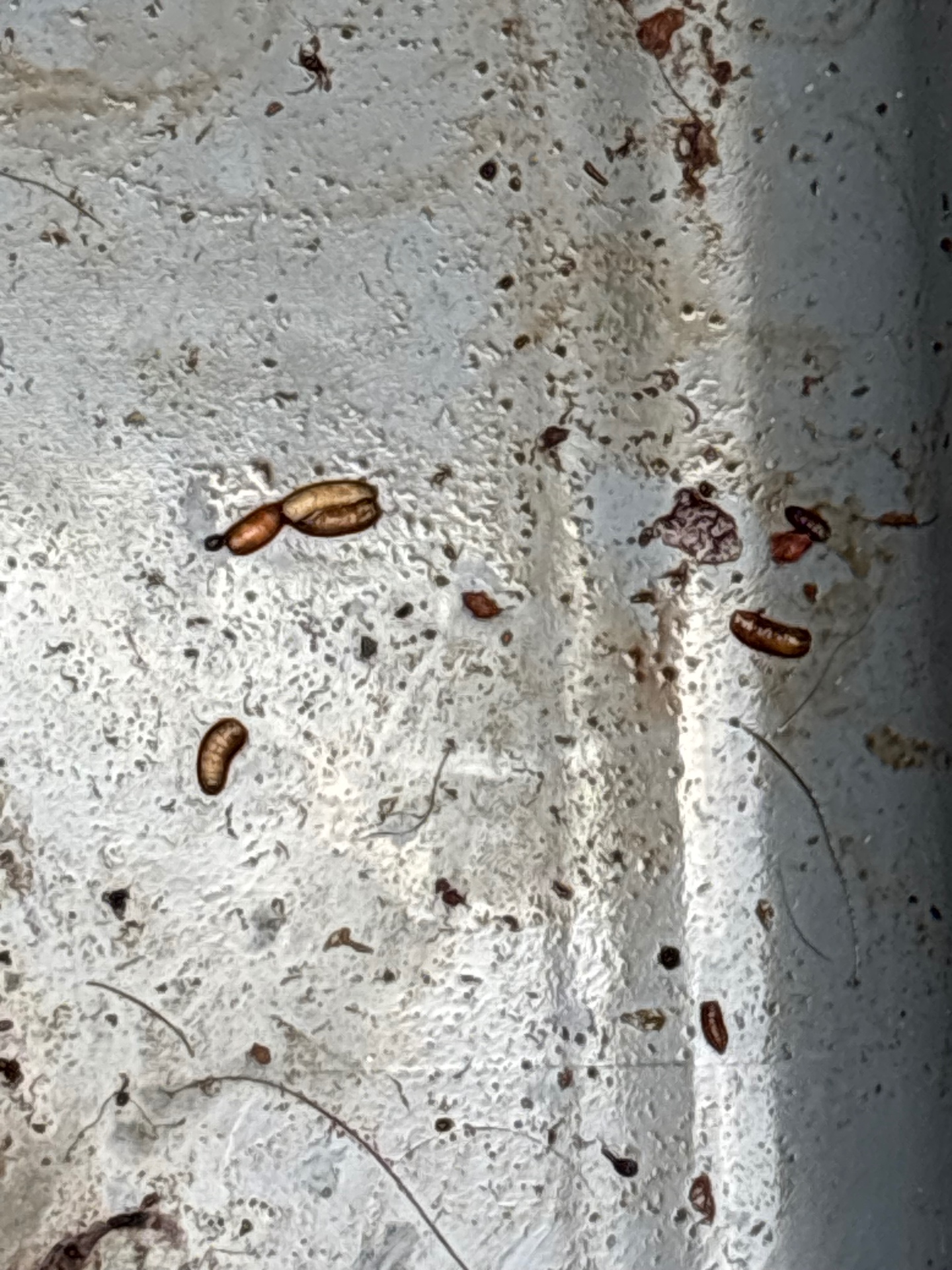
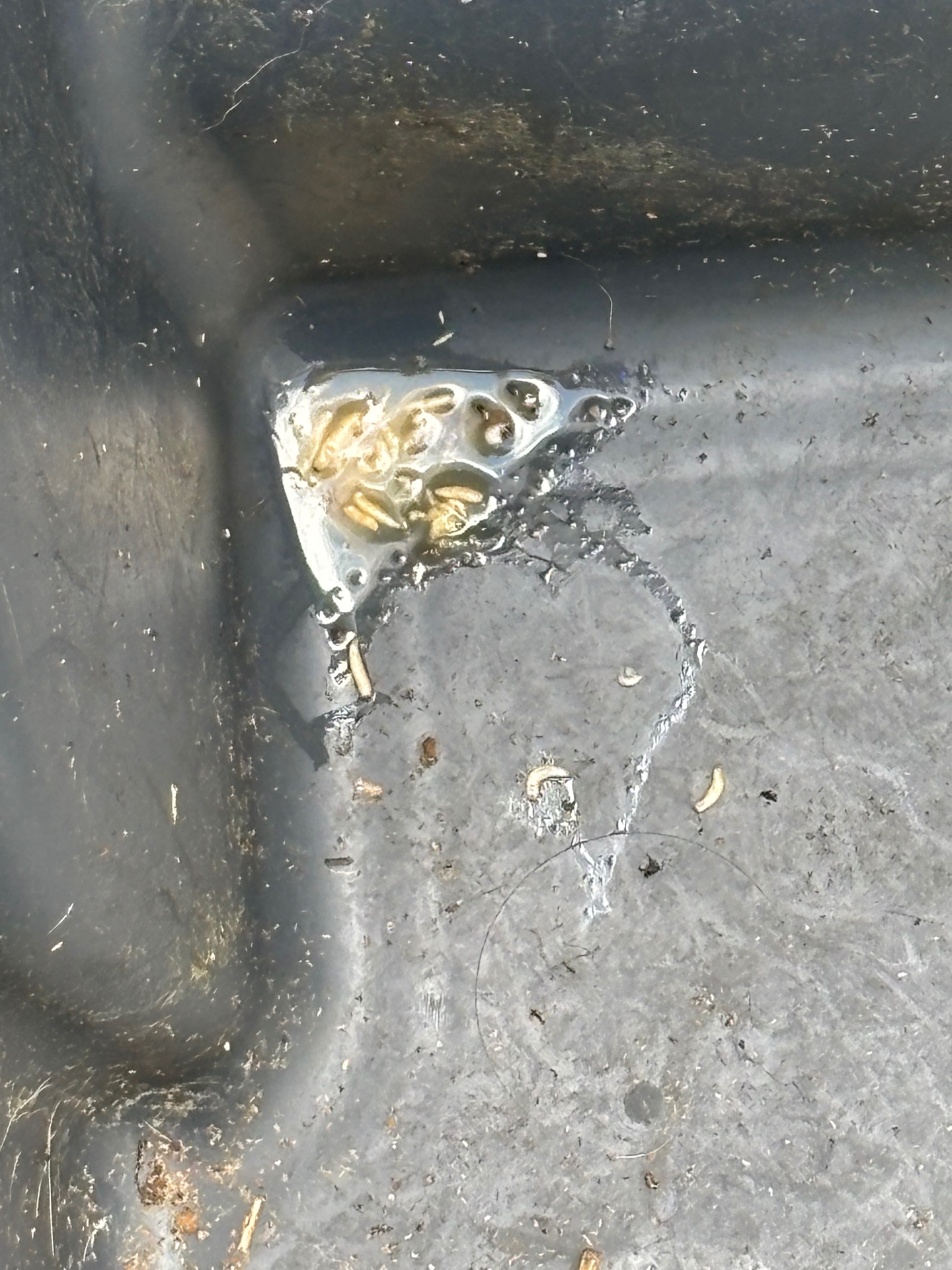
If you just lifted your trash lid and saw a writhing pile of maggots, take a breath. We've seen this hundreds of times across the Treasure Valley — including in cans that were "just cleaned" — and there's a fast way to handle it. There's also a real reason it keeps happening that most homeowners never hear about.
The Quick Version (If You Need to Act Right Now)
If maggots are actively crawling in your bin, here's the fastest, safest way to deal with them today:
- Wait for trash day if it's close. Let the truck haul the bulk of them away before you do anything else.
- Wear gloves and long sleeves. This isn't us being dramatic — we'll explain why below.
- Pour boiling water down the can. A full kettle, slowly, into the bottom and corners. Heat kills maggots and fly eggs on contact.
- Bag and toss anything left. Don't dump it on your lawn or driveway.
- Scrub with hot soapy water — dish soap or a degreaser, plus a stiff brush. Get the lid hinges and the bottom seams.
- Disinfect. A diluted bleach solution (about 1 cup bleach to a gallon of water) or a strong vinegar rinse will finish the job.
- Dry it in the sun with the lid open before any new trash goes in.
One Big Warning Most Articles Skip
I'll never forget a customer here in Boise who tried to handle a bad bin himself with just a garden hose. While he was scrubbing, splash-back hit his arm — and a few days later he was on antibiotics for a staph infection. He called me afterward and said, "Just put me on the schedule. I'm done."
That's not a freak story. A neglected trash can is a soup of bacteria, mold spores, and rotting protein. If you have any cut or scrape on your hands or arms, wear real gloves, eye protection, and long sleeves. Don't pressure-wash it in flip-flops in your driveway.
Why Maggots Showed Up in the First Place
Maggots aren't a sign you're a messy person. They're a sign a fly found your bin and laid eggs — and flies can find a target in hours. One of the most underrated facts about trash bins is how attractive they are to flies. Most homeowners think of their can as "dirty." Flies see it as a five-star maternity ward.
Eggs hatch in 8–20 hours in summer heat. By the time you see maggots, that fly visited your can a day or two ago — usually because:
- Meat, fish, bones, or pet waste went in unbagged
- A bag tore on the way in (happens constantly)
- The lid sat open even for an hour during a hot afternoon
- Old residue is coating the bottom of the bin from previous weeks
That last one is the real culprit. Even if this week's trash is bagged perfectly, the film built up on the inside of your can from previous weeks is what flies smell from a block away.
A True Story That Tells You Everything
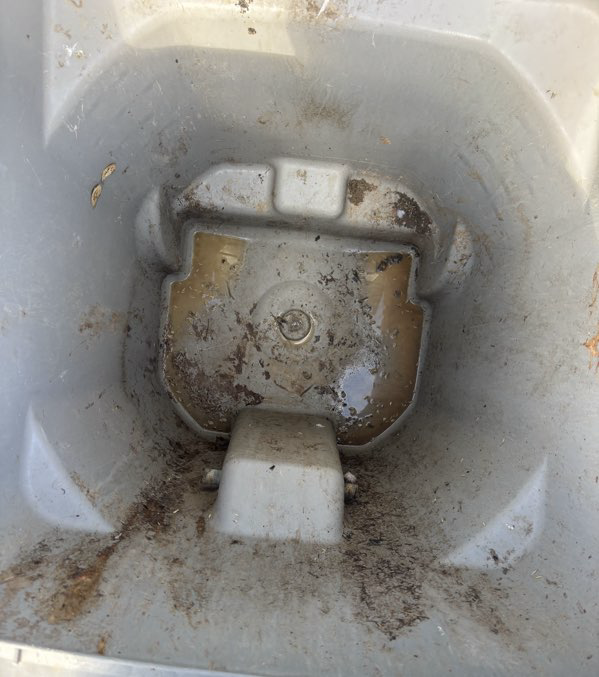
A couple summers ago I was cleaning a customer's bins and got chatting with their neighbor across the driveway. I offered to clean hers while I was there. She told me she'd "just cleaned them recently" — but the bins were sitting right there, so we popped the lid to take a look together.
It was absolutely full of maggots.
She was shocked. She had genuinely tried to clean them. What she didn't realize is that a quick hose-out doesn't remove the residue maggots and flies are actually drawn to — and it certainly doesn't sanitize anything. She got on our monthly schedule that day, and a year later she still tells me she's just glad she doesn't have to think about it anymore.
How to Make Sure They Don't Come Back
Killing today's maggots is the easy part. Keeping them from coming back is about controlling what flies smell:
- Double-bag anything wet or organic — fish, chicken, bones, diapers, pet waste. This is the single highest-impact habit.
- Freeze raw meat scraps until trash morning, then drop them in right before pickup.
- Keep the lid closed. A propped-open lid in July is an open invitation.
- Rinse and dry the bin after each pickup if you can — but understand that hosing alone doesn't get the residue out. It just spreads it.
- Get a real deep clean a few times a year. This is the part most people skip, and it's the only thing that resets the bin back to "neutral."
Why a Garden Hose Isn't the Answer
I'll say this honestly because I tell our customers the same thing: if you enjoy maintaining your own bin with a hose, keep doing it. It helps. But hosing has two real problems:
- It makes a mess. The dirty water has to go somewhere — usually onto your driveway, sidewalk, or lawn, which is exactly the smell you were trying to get rid of in the first place. (In many cities it's also against the rules to wash that wastewater into the storm drain.)
- It doesn't sanitize. Cold water and a hose nozzle can't kill bacteria, fly eggs, or the biofilm coating the inside of your bin.
That's why we recommend a hybrid approach to a lot of our customers: do a hose rinse whenever you want, and let us do a true high-pressure, high-heat deep clean a few times a year. You stay involved, the bin stays sanitary, and the cost stays low.
When to Call a Pro
Honestly? Once you've had maggots, you already know the answer. The relief of never wondering what's living in your can again is the part our customers talk about most. Our cleanings are $25 per can — less than most people spend on coffee in a week — and we handle the wastewater properly so nothing ends up on your driveway or in the gutter.
If you're in Boise, Meridian, Eagle, Nampa, Caldwell, or anywhere in the Treasure Valley, we'd love to help you forget you ever saw a maggot. Get a free quote here and we'll get you on the schedule.
Ready for a bin that actually smells clean?
Quarterly cleaning is our most popular plan — just $25.95 per can.
View pricing & plans →